How Long Does Engine Take To Cool Down
How Long Does Engine Take To Cool Down. If you have been working it hard right up until you. The heat loss will be proportional to the difference between the engine and the surrounding environment.
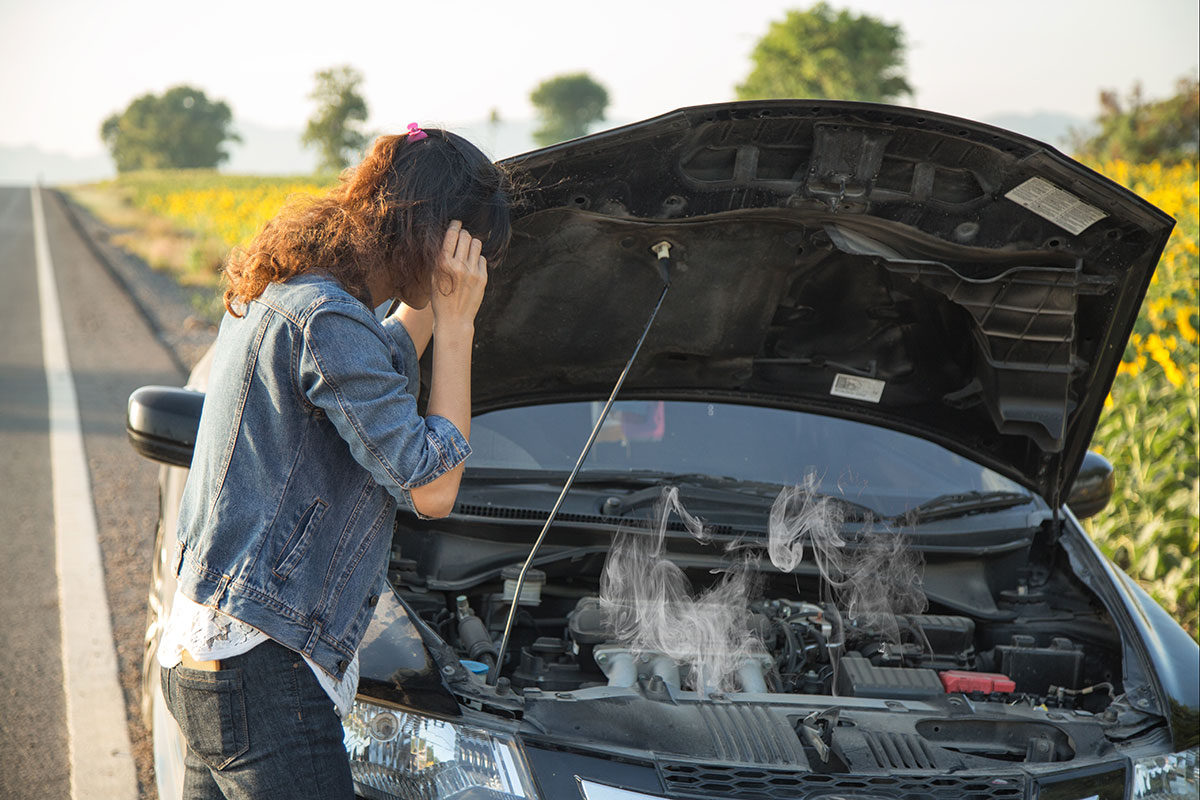
If your car’s overheating, pull over, switch off the engine and wait for at least 30 minutes for the engine to cool down. But after long hauls you may want to idle the engine for up. If it is cold enough then you can work on the engine.
Dan Explained That Three To Five Minutes Is Usually Sufficient For Cooling Down A Diesel Engine.
That loss of cold air means your home will take much longer to cool off, even during mild weather days. This depends on how long you’ve been driving for and at what kind of speed. Every time the engine gets overheated, pull over and give it at least 10 to 20 minutes to cool down.
The Turbo Must Be Allowed To Spin Down Before The Oil Vacates.
When this the case, you’ll have to wait for the engine to cool down to continue. Turn the thermostat to the coldest setting and all the way up. Leaks in your ducts means cold air is escaping into unconditioned places like your attic or basement instead of blowing directly into your house.
It Sounds Counterintuitive, But Reina Recommends Turning On The Heater.
While the person next to you may think you want to race, this will make the water pump and radiator fan (if it is turned directly by the engine) speed up, which will aid in cooling the engine. Best use this only in case of an emergency (for instance, in a long uphill drive the coolant level runs low and overheating is imminent). According to energy star, about 20 to 30% of cool air is lost to leaky ducts.
To Be On The Safe Side, It’s Preferable To Wait An Hour Or Two To Fully Let Your Engine Cool.
At these speeds, lubrication of the turbocharger bearings is super important for your turbo to last. But after long hauls you may want to idle the engine for up. Under normal circumstances, it takes a minimum of 30 minutes for an overheated engine to cool down to a temperature where it is safe to inspect it and potentially work on it.
While This Might Not Seem To Have An Effect At First, You Should Start Feeling The Air Cooling Off Within The Vehicle Interior Pretty Quickly.
He also said it isn’t necessary when just running about town without the trailer. Material used in construction of the engine block/head (aluminium blocks cool quicker than steel for example) and many more besides. If the fluid in your cooling system is filled to the top when your engine is cold, it will need somewhere to go when the fluid warms up and expands.
